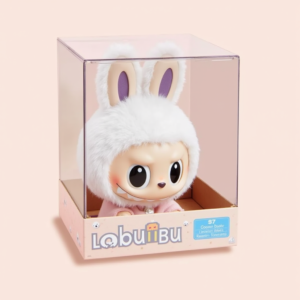
1. Psychological level: random rewards and emotional satisfaction
(1) Random reward effect: The core of the unknown temptation blind box that attracts young people is its unpredictability. Behind this mechanism is the “random reward effect” in psychology. Every time a blind box is opened, consumers expect to get a hidden or rare item, and this expectation stimulates the brain to release dopamine, bringing a short but strong sense of pleasure. This cycle of pleasure and expectation is an important factor in the formation of addictive behavior.
(2) Satisfy the desire to collect: The appeal of serialization. Young people generally have a strong desire to collect, and the serial design of blind boxes caters to this psychology. For example, the Molly series launched by Bubble Mart regularly releases new themes. Consumers are willing to buy repeatedly in order to “collect a complete set”, even if some styles are difficult to obtain. The sense of accomplishment brought by this process is often addictive.
(3) For many young people, blind boxes have gone far beyond the scope of commodities. They are more like a kind of emotional sustenance, carrying the functions of emotional projection and stress release. In modern society, young people often face pressure from study, work or life, and the simple joy of blind boxes becomes a way to escape reality. The moment they opened the blind box, they briefly got rid of the pressure and enjoyed a moment of psychological comfort.
(2) Sense of group belonging: the power of the circle. Blind boxes are by no means just a personal hobby, but actually a social tool. Many young consumers use blind boxes to build their own circles or participate in related social activities. In these circles, people exchange the styles they acquire, exchange duplicate blind boxes, and gain a sense of identity through sharing…
(3) Competitive psychology: the attraction of rare models. The existence of rare models stimulates consumers’ competitive psychology. In the consumer market, rare models are like a bright pearl, tugging at the heartstrings of consumers and prompting them to compete with each other. In many blind box communities, having hidden models or special models is regarded as a symbol of “high value”. After polishing: In many blind box communities, having a hidden or special model is regarded as a symbol of “high value”. In order to win this competition, many young people are willing to invest more money and energy, thus falling into a cycle of repeated consumption.

3. Economic factors: low-threshold consumption and high-value returns
(1) Blind boxes are low-cost but very attractive, and their pricing is usually relatively close to the people, mostly ranging from tens to hundreds of yuan. This “low-cost, high-experience” consumption model allows many young people to make purchases without careful consideration. Especially when impulsive consumption and randomness are combined, multiple purchases are easy to occur.
(2) Potential Investment Value Blind box rare models can often sell for high prices in the secondary market. For example, some limited edition hidden models may be sold for several times or even ten times the price. This temptation of “high returns” has attracted many people to use blind boxes not only as entertainment, but also as a means of investment.

4. Brand and Marketing Strategy: Directly Reach Users
(1) Emotional resonance and IP shaping Blind box brands usually establish emotional connections with consumers by creating unique IP images. For example, Pop Mart’s Molly image is deeply loved by young people because of its cuteness and uniqueness. This emotional resonance makes it easier for consumers to form loyalty to the brand.
(2) Limited quantity and scarcity strategies. Many blind box brands use the strategy of limited sales and setting up hidden models to create scarcity. This scarcity increases consumers’ sense of urgency to purchase and creates “fear of missing out” (FOMO), further stimulating consumer desire.
(3) Multi-channel shopping experience Blind box brands focus on the combination of online and offline during the promotion process. Offline experience stores create an immersive shopping experience by opening boxes on the spot, while online sales rely on their convenience to meet consumers’ immediate needs. This multi-channel model successfully reaches a wider target audience.
5. Risks and Countermeasures of Blind Box Addiction
Although blind boxes bring happiness to consumers, their potential negative impacts should not be underestimated.
In mental health issues, repeated cycles of expectations and disappointments may have a negative impact on consumers’ mental state, and even induce anxiety or depression.
Countermeasures and suggestions:
Consumer level: We should adhere to the concept of rational consumption, set clear budget limits, and avoid blind purchases of goods.
Brand level: Promote healthy consumption culture, such as introducing purchase restriction policies to encourage consumers to consume moderately, while strengthening consumer education to avoid negative public opinion.
6. Future prospects of the blind box market
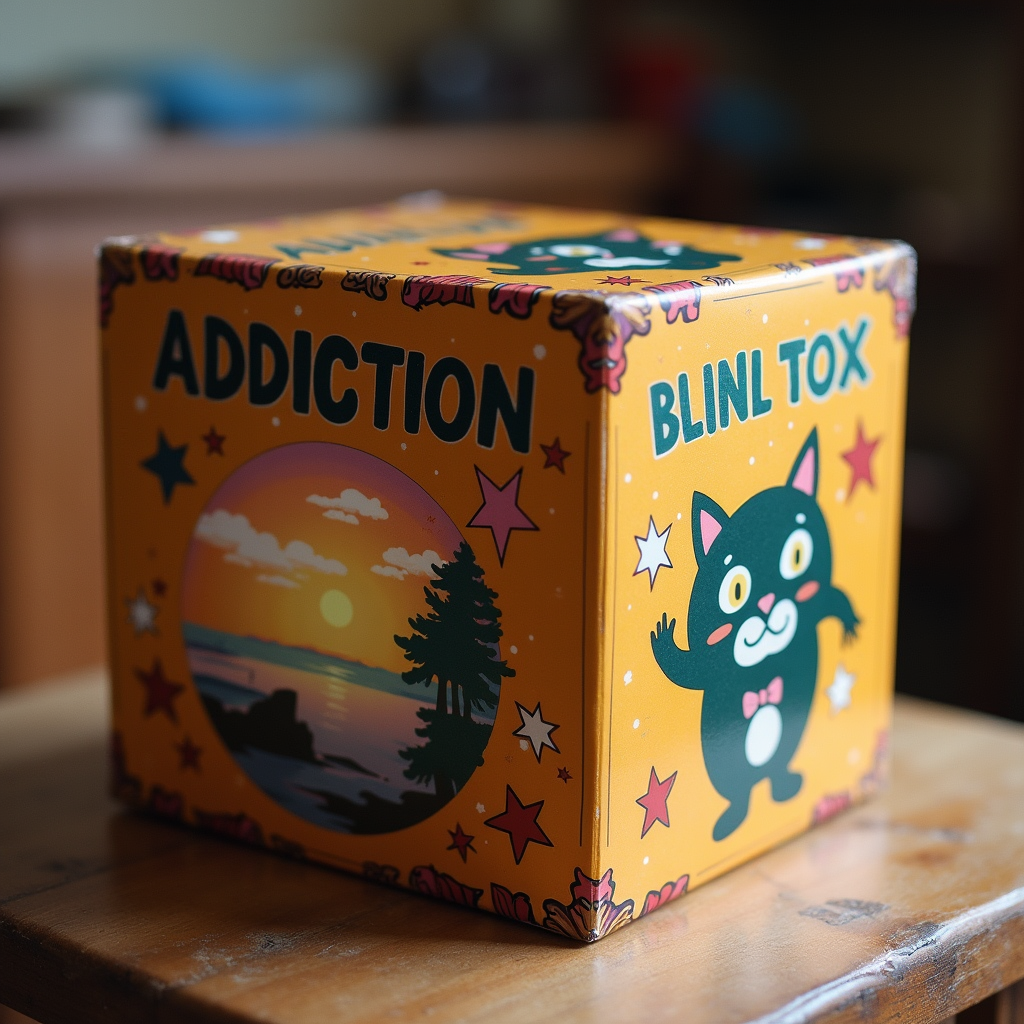
Behind the success of the blind box industry is a strong business model. However, to achieve sustainable development, brands must strike a balance between commercial interests and social responsibility. In the future, the blind box market may develop in the direction of personalization and digitalization. Such as launching virtual blind boxes or combining them with blockchain technology to meet higher-level consumer needs.